Funlikey: A Playful Font for Editorial Design
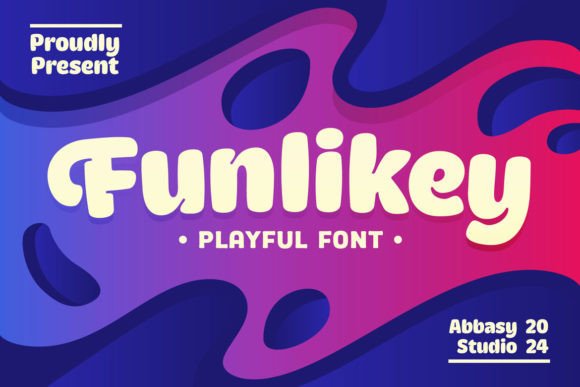
There’s a moment in any editorial project when the right font can shift the entire tone of a layout. I recently found myself in that exact situation while redesigning the header for a lifestyle blog focused on wellness and creativity. The previous font felt too formal, too restrained—like it was holding back the energy of the content. That’s when I discovered Funlikey, a display font with a unique, puffy, and bold appearance that immediately caught my eye.
A Quirky Presence in Editorial Layouts
Funlikey has a visual character that feels both playful and purposeful. Its rounded corners and natural shape give it a quirky and endearing quality that’s perfect for capturing attention without being overwhelming. It doesn’t scream for recognition; instead, it invites the reader to lean in a little closer, curious about what lies beneath.
This font is ideal for titles, headers, and pull quotes where you want to inject some personality into your design. In the case of the lifestyle blog, I used Funlikey for the main header and section titles. The result was a fresh, approachable feel that matched the blog’s content perfectly. It added a subtle sense of joy to the layout, which helped create a stronger connection between the reader and the brand.
Editorial Use Cases and Readability Considerations
When considering Funlikey for a publication or digital product, it’s important to think about its role within the overall hierarchy of the design. While it excels as a display font, it may not be the best choice for long-form reading or small text elements. For example, using it in body copy could lead to readability issues due to its bold and rounded features, especially on screens with lower resolution or mobile devices.
However, in cases like recipe ebooks, wedding guides, or printable planners, Funlikey shines. It adds a whimsical touch to chapter openers, section headings, and decorative accents without compromising the legibility of the surrounding content. When paired with a clean sans serif or serif font for body text, it creates a balanced visual rhythm that supports both aesthetics and readability.
I tested Funlikey in a coaching workbook and found that it worked well for title pages, motivational pull quotes, and section headers. It brought a sense of warmth and approachability that aligned with the workbook’s goal of making learning feel more personal and engaging.
Font Pairing and Practical Design Tips
One of the most rewarding aspects of working with Funlikey is how well it pairs with other fonts. For instance, combining it with a modern sans serif like Montserrat or a classic serif like Georgia can create a visually appealing contrast. This pairing works particularly well in digital magazines, newsletters, and course PDFs where a clear distinction between headlines and body text is essential.
Before using Funlikey in any commercial project, it’s crucial to check the included styles, alternates, ligatures, weights, multilingual support, and file formats. These details can impact how versatile the font is across different platforms and outputs. Also, ensuring you have the appropriate commercial font license is key if you’re planning to use it in paid newsletters, client publications, or digital downloads.
For print materials, I recommend testing Funlikey at various sizes to ensure it maintains clarity and impact. While it performs well in larger formats like magazine covers and poster designs, it’s less suitable for dense paragraphs or small captions where legibility is paramount.
Creating Mood and Brand Identity
The mood of a publication is often shaped by typography, and Funlikey offers a distinct voice that can enhance a brand’s identity. Whether it’s a digital magazine focused on creative living or a newsletter for a community-driven platform, this font brings a sense of fun and authenticity that resonates with readers.
In one project, I used Funlikey for the cover of a digital magazine centered around travel and adventure. The font’s bold, rounded edges gave the cover an inviting and adventurous feel that complemented the content inside. It helped establish a consistent mood throughout the publication, reinforcing the brand’s message without being overbearing.
For those looking to build a strong editorial identity, Funlikey can serve as a powerful tool to express creativity and personality. It allows designers to craft layouts that are not only visually striking but also emotionally engaging.