Retro Crab Font for Web Design
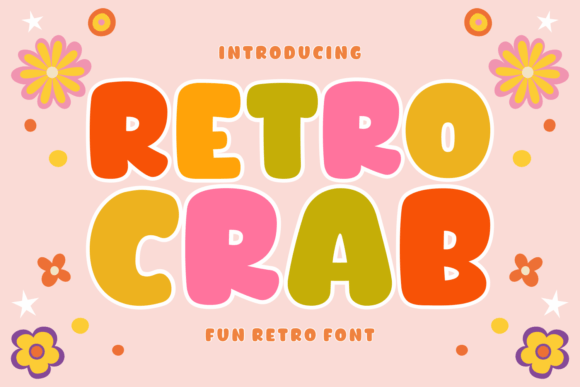
Retro Crab is a display font that captures the essence of 70s design with its bold curves and vintage charm. As a web designer, I appreciate how it brings a sense of nostalgia without sacrificing usability. This typeface is ideal for creating visual interest in headers, banners, and other prominent sections of a website.
Visual Characteristics and Digital Appeal
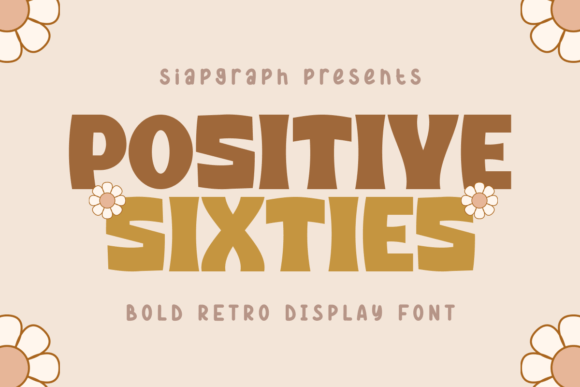
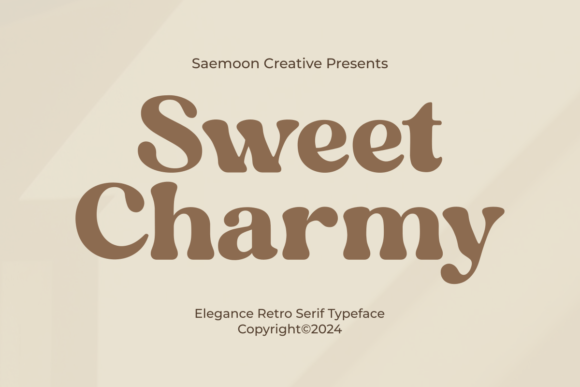
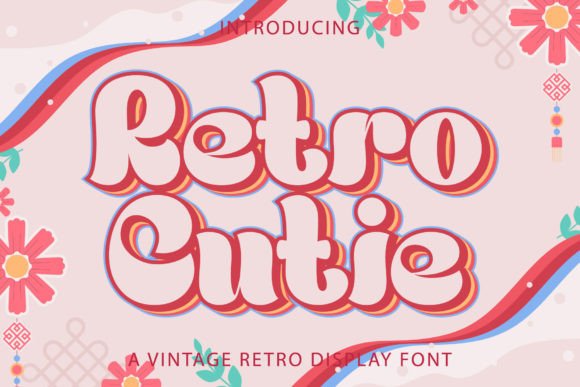
The Retro Crab font features thick strokes, rounded edges, and a playful yet professional aesthetic. It’s reminiscent of classic retro posters and album covers, making it perfect for creative projects that aim to evoke a bygone era. The character set includes a variety of stylistic alternates, which allows for customization in different design contexts.
This font has a distinct personality that can add a unique flair to your digital work. Its vintage vibe works well for brands looking to establish a retro-inspired identity or for websites aiming to stand out from the modern minimalist trend.
Applications in Web Design
Retro Crab can be effectively used in various areas of web design. For instance, using it as the primary font for website headers and hero sections can immediately draw attention and create a strong first impression. Its readability on larger screens makes it suitable for call-to-action buttons and promotional banners.
For online stores, this font can be used in product titles and promotional graphics to enhance brand recognition. On a boutique e-commerce site, Retro Crab could help reinforce a vintage theme, while on a coaching website, it might lend a more artistic and approachable feel.
In blog headers or course sales pages, Retro Crab can serve as a decorative accent, adding visual rhythm and breaking up large blocks of text. When paired with a clean sans serif font for body copy, it ensures a balance between style and readability.
Readability and Visual Hierarchy
While Retro Crab is a display font, it's important to use it judiciously to maintain readability. It performs best in larger sizes, such as for headlines, section titles, and short phrases. Using it for body text or small buttons may reduce legibility, especially on mobile devices.
To ensure optimal performance, consider using Retro Crab for hero titles and section headings, where it can command attention without overwhelming the reader. Pairing it with a simpler font for supporting text helps maintain a clear visual hierarchy and guides users through the content efficiently.
When designing for responsive layouts, test how Retro Crab appears on different screen sizes. It should remain legible and visually appealing whether viewed on a desktop or a smartphone. Avoid using it on dark backgrounds unless you're certain about contrast levels and legibility.
Font Pairing and Brand Identity
Font pairing is crucial for creating a cohesive design. Retro Crab pairs well with modern sans serif fonts like Helvetica or Arial for body text, ensuring a contrast between decorative and functional typography. For a more editorial feel, consider combining it with a serif font like Georgia or Times New Roman.
Using Retro Crab in your brand assets can help reinforce a consistent visual identity. Whether it's for logo design, social media graphics, or packaging design, this font can contribute to a distinctive and memorable brand image.
Its versatility makes it suitable for both digital and print applications. From web design to packaging design, Retro Crab offers a nostalgic touch that can elevate your creative projects.
Licensing and Practical Considerations
Before using Retro Crab on client projects or commercial websites, ensure that you have the appropriate licensing. Many premium fonts require specific licenses for web use, online stores, and digital templates. Always check the terms of use provided by the font provider to avoid any legal issues.
Look for font files that include webfont formats (like WOFF or WOFF2) to ensure compatibility across different browsers and platforms. Some versions may also include alternate characters, weights, and multilingual support, which are essential for global projects.
When incorporating Retro Crab into your design toolkit, remember to balance creativity with practicality. While it adds a unique flair, it should not compromise the overall user experience or accessibility of your website.
By thoughtfully integrating Retro Crab into your digital projects, you can create visually engaging designs that resonate with your audience while maintaining clarity and professionalism.